
Göbekli Tepe: Why Was the World’s Most Remarkable Ancient Temple Deliberately Buried?
Göbekli Tepe is 12,000 years old — and someone buried it on purpose. Here’s what archaeologists think happened, and why it still matters.
Some places hold time differently.
Long after their builders are gone, ancient temples, burial mounds, and forgotten cities still seem to remember something we have half-forgotten. Ancient Places explores the world’s oldest sacred and historical sites — from megaliths raised before writing existed to temples still in use thousands of years later.
Here you’ll find the stories, archaeology, and open questions behind humanity’s most enduring landmarks: why they were built, what they meant, and what they can still tell us. Every article is researched, sourced, and written to be read — not a checklist of dates.
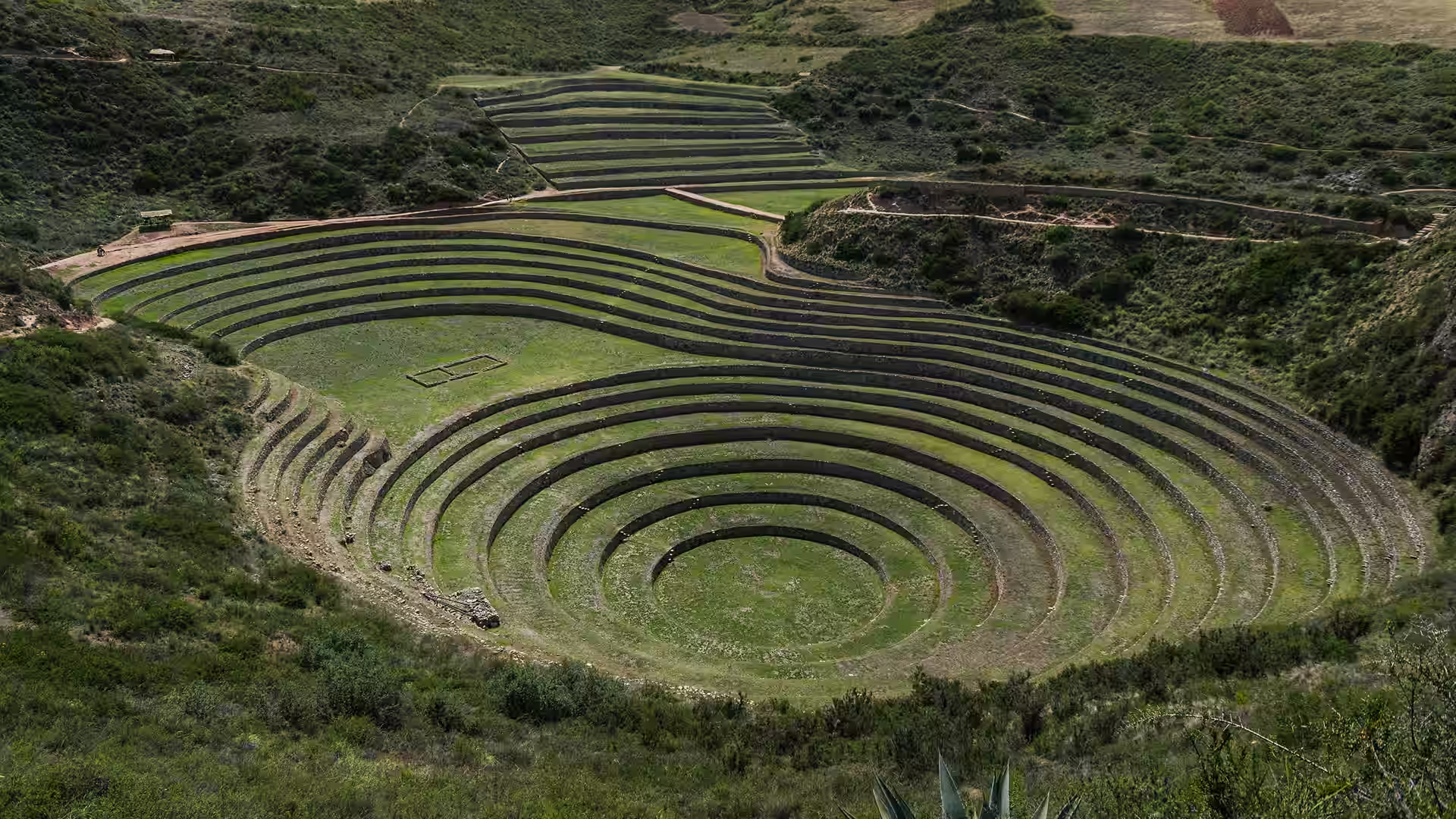
If you’re new, begin with our cornerstone guide and let it point you outward:
A Guide to the World’s Oldest Sacred Sites — the long view, from the first temples to landmarks still in use today.
The structures humanity built before cities, writing, or the wheel — and the questions they still raise. Why were standing stones raised? What were they for?
Places set apart for ritual, pilgrimage, and the dead — and what their design reveals about the people who made them.
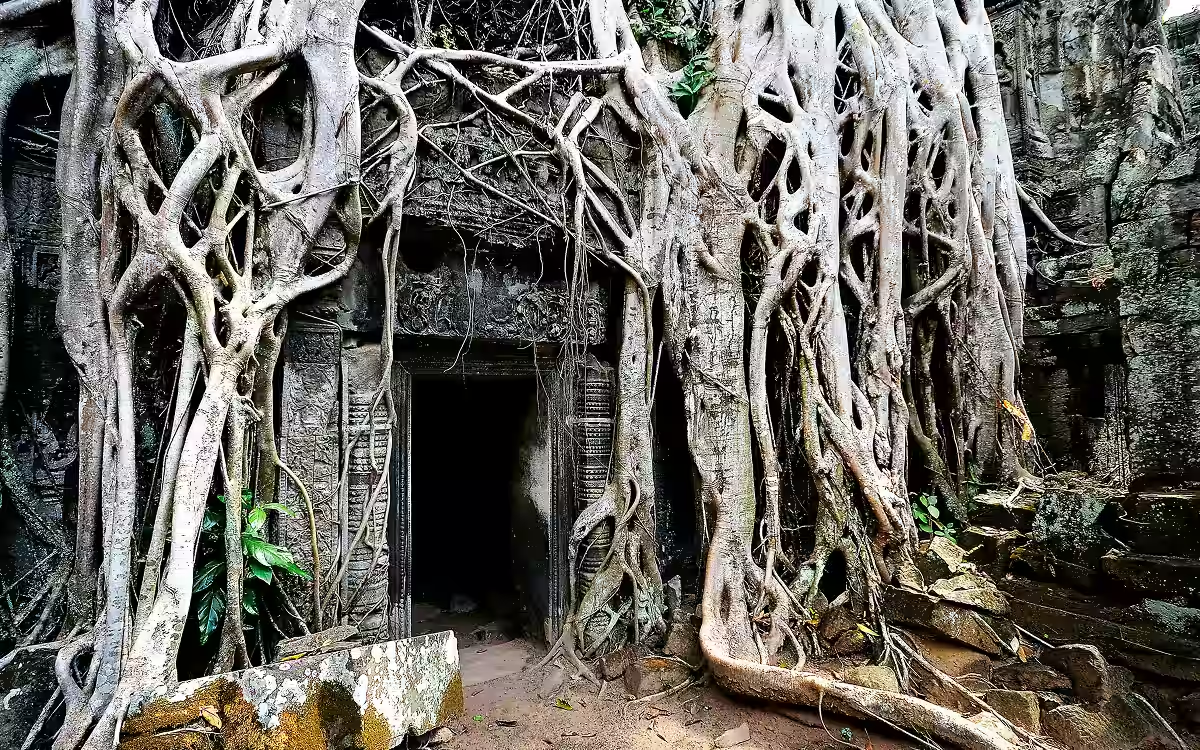
Settlements swallowed by sand, jungle, or time — rediscovered, and still giving up their secrets.
Göbekli Tepe in modern Turkey, dated to around 9500 BCE, is widely cited as the oldest known monumental sacred site — older than Stonehenge or the pyramids by millennia.
The reasons varied — permanence, status, ritual, and astronomical alignment all played a part. We look at the leading evidence for each in our megalith coverage.
Mainly through radiocarbon dating of organic material, stratigraphy (the layering of soil and debris), and increasingly, analysis of the surrounding landscape. Each article notes how its site was dated.
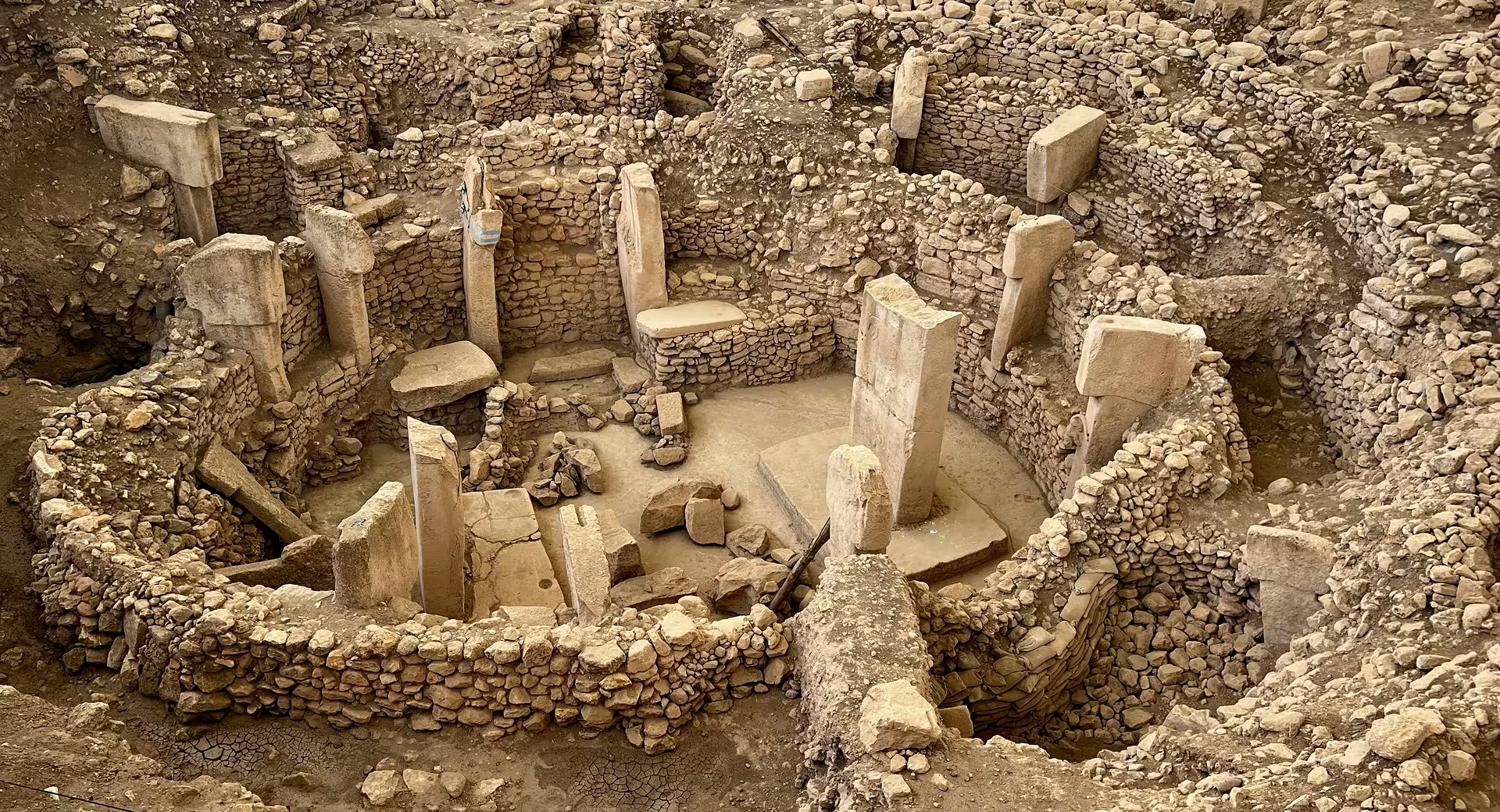
Göbekli Tepe is 12,000 years old — and someone buried it on purpose. Here’s what archaeologists think happened, and why it still matters.

High above the Greek village of Kritinia lies the remains of an impressive late medieval castle. Perched on cliffs and domining the sea, amidst a gentle landscape of fields and olive trees, this massive edifice occupies a strategic position on the maritime and land routes of western Rhodes, and was of the main fortresses protecting…