
Centralia, Pennsylvania: The Real Ghost Town That Has Been on Fire Since 1962
Beneath Centralia, Pennsylvania, a coal mine fire has burned since 1962 and won’t stop for 250 more years. Here’s what happened, who stayed, and what’s left.
The map is never quite finished.
There are corners of the planet that stay closed, towns that were abandoned and never reclaimed, and landscapes that behave in ways they shouldn’t. Strange Geography is a field guide to these places — the world’s forbidden islands, vanished settlements, and geographic anomalies that resist easy explanation.
Each piece looks past the “weird” headline to the real history, science, and reasons a place ended up off the map. Researched, sourced, and written to satisfy the curiosity that brought you here — not just to list oddities.
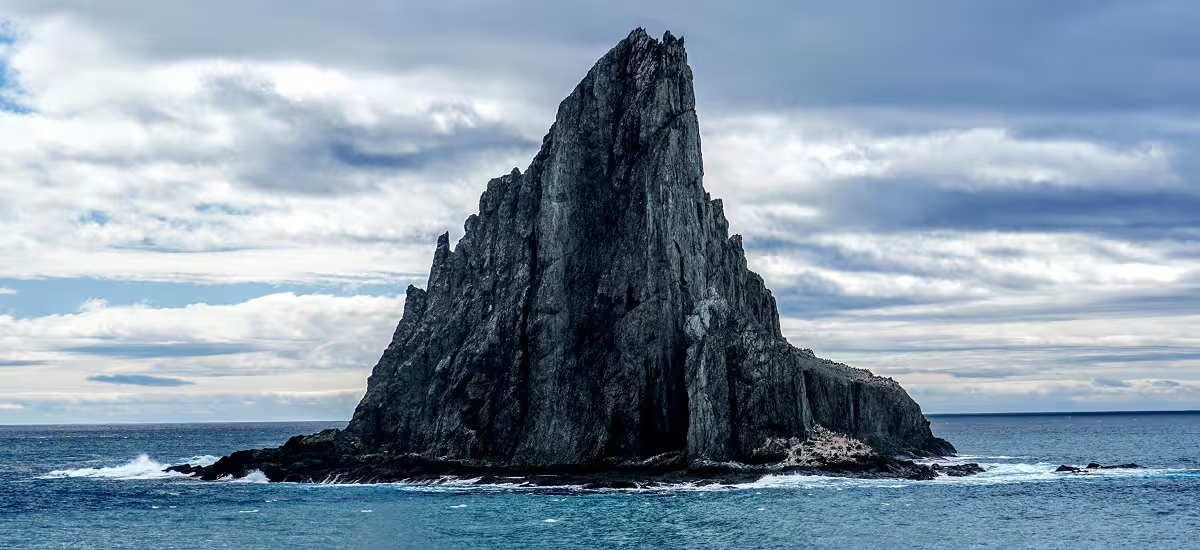
If you’re new, begin with our cornerstone guide and let it point you outward:
Forbidden and Forgotten Places — a tour of the spots most people will never get to see, and why.
Islands, zones, and sites sealed off by law, danger, or fragility — and the often surprising reasons behind the barrier.
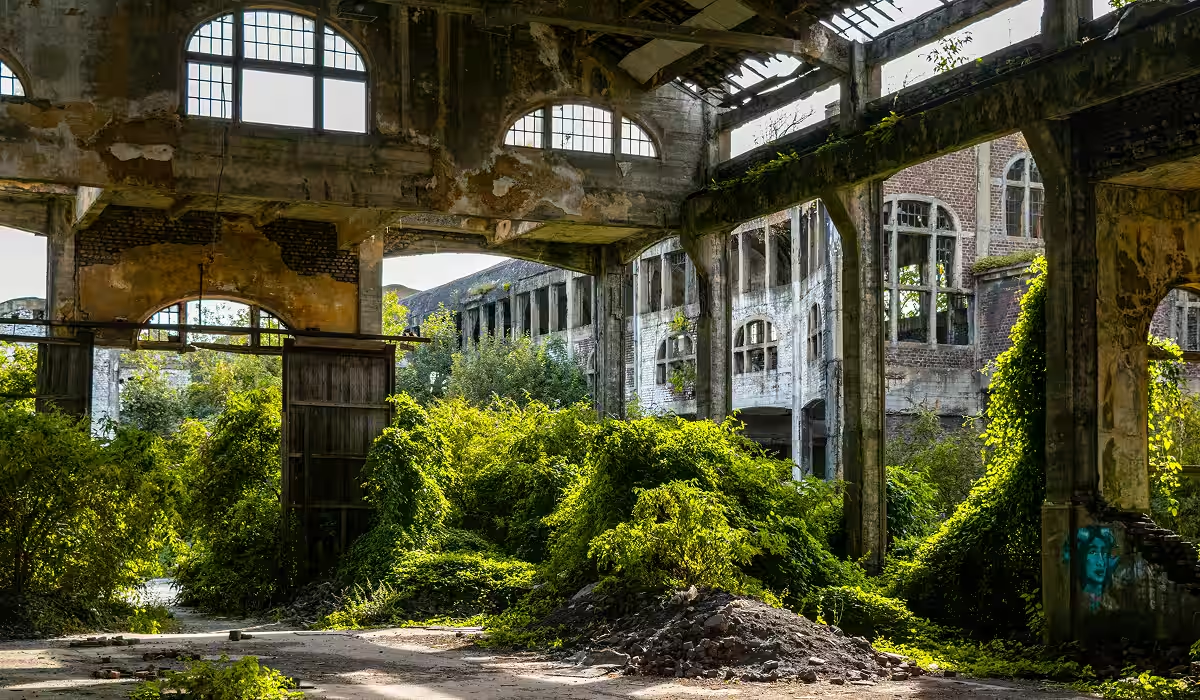
Towns and structures left behind, some still standing, some you can still walk through — and the stories of why everyone left.
Landscapes that don’t follow the rules — and what the science actually says about them, beyond the legends.
North Sentinel Island in the Indian Ocean is among the most cited — entry is banned to protect both its isolated inhabitants and outsiders. We cover the full reasoning, and other contenders, in our guide.
Usually preservation. At Lascaux, human breath and microbes began destroying 17,000-year-old paintings — so the original was sealed and a replica built nearby. Fragility, not secrecy, closes most sites.
It depends entirely on ownership and local law — some are protected heritage sites open to all, others are private or hazardous. Each article notes a site’s status; we never encourage trespassing.
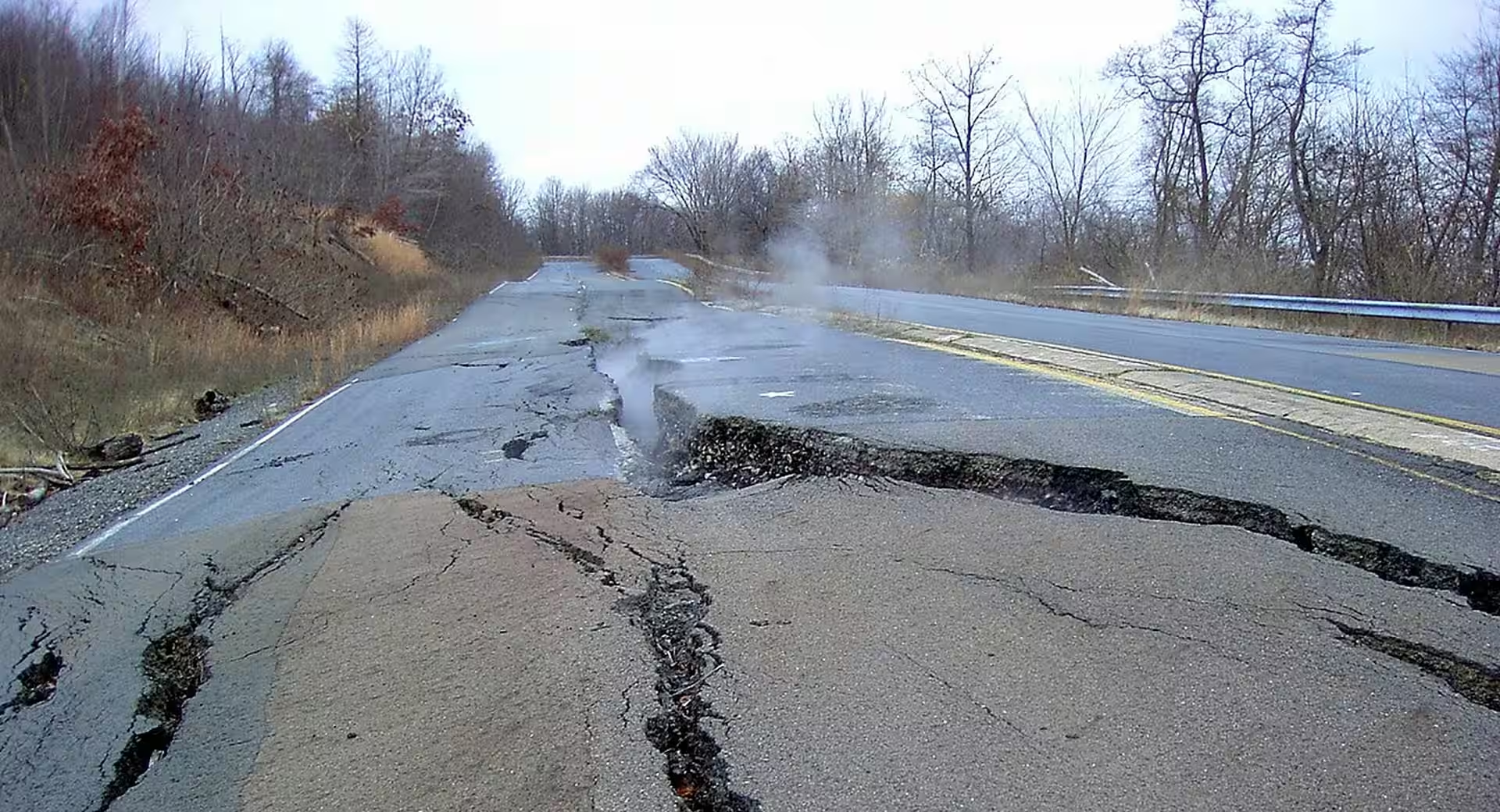
Beneath Centralia, Pennsylvania, a coal mine fire has burned since 1962 and won’t stop for 250 more years. Here’s what happened, who stayed, and what’s left.
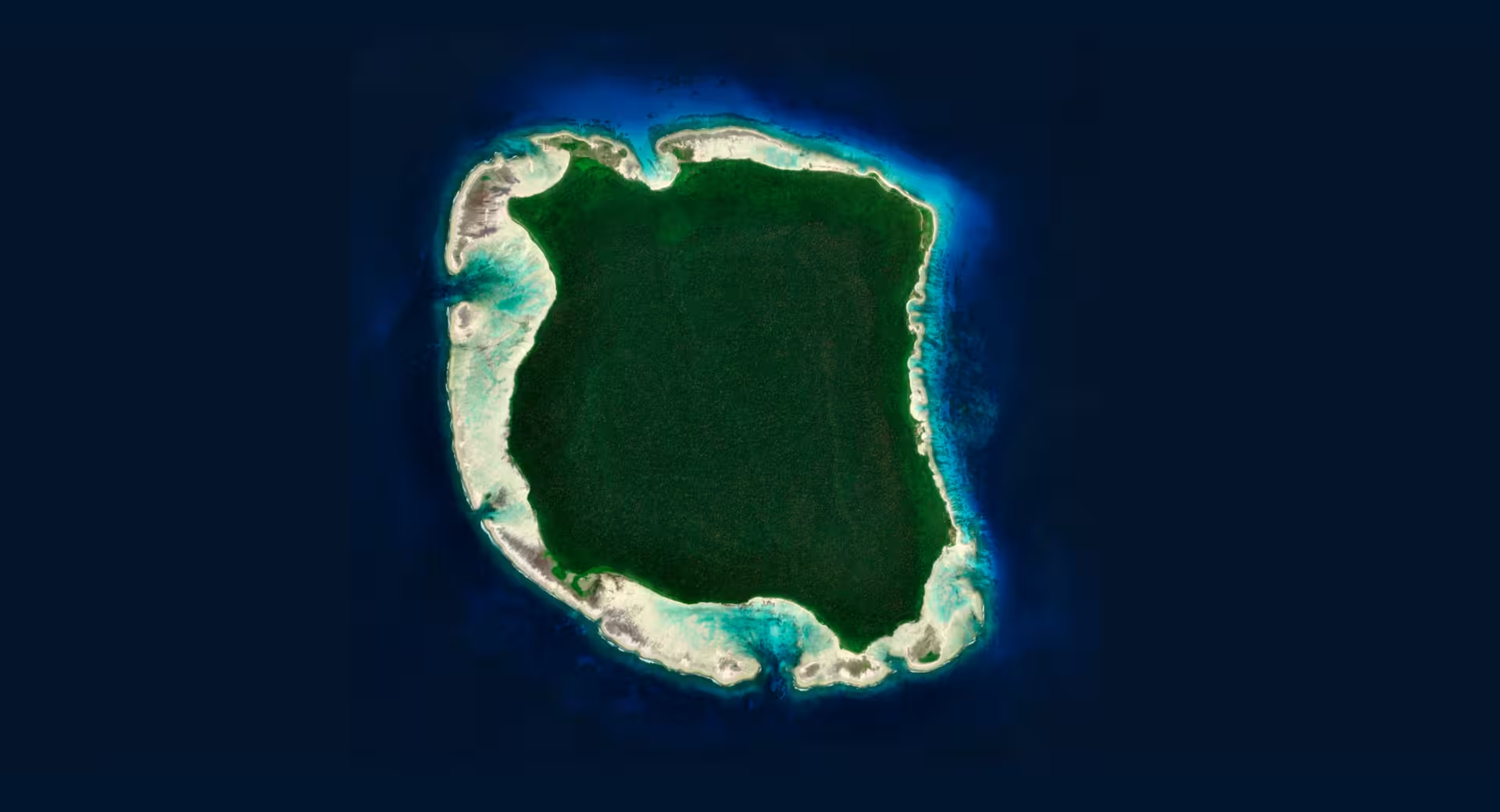
North Sentinel Island is one of the most forbidden places on Earth. Here’s why India protects it, who has tried to land, and what the Sentinelese tell us about human isolation.